kitchen design do's and don'ts
A successful kitchen design does more than look beautiful. It supports the way you cook, clean, entertain and live every day. Whether you're planning a full kitchen renovation or updating an existing space, understanding the key kitchen design do's and don'ts can help you avoid costly mistakes and create a kitchen you'll love for years to come.
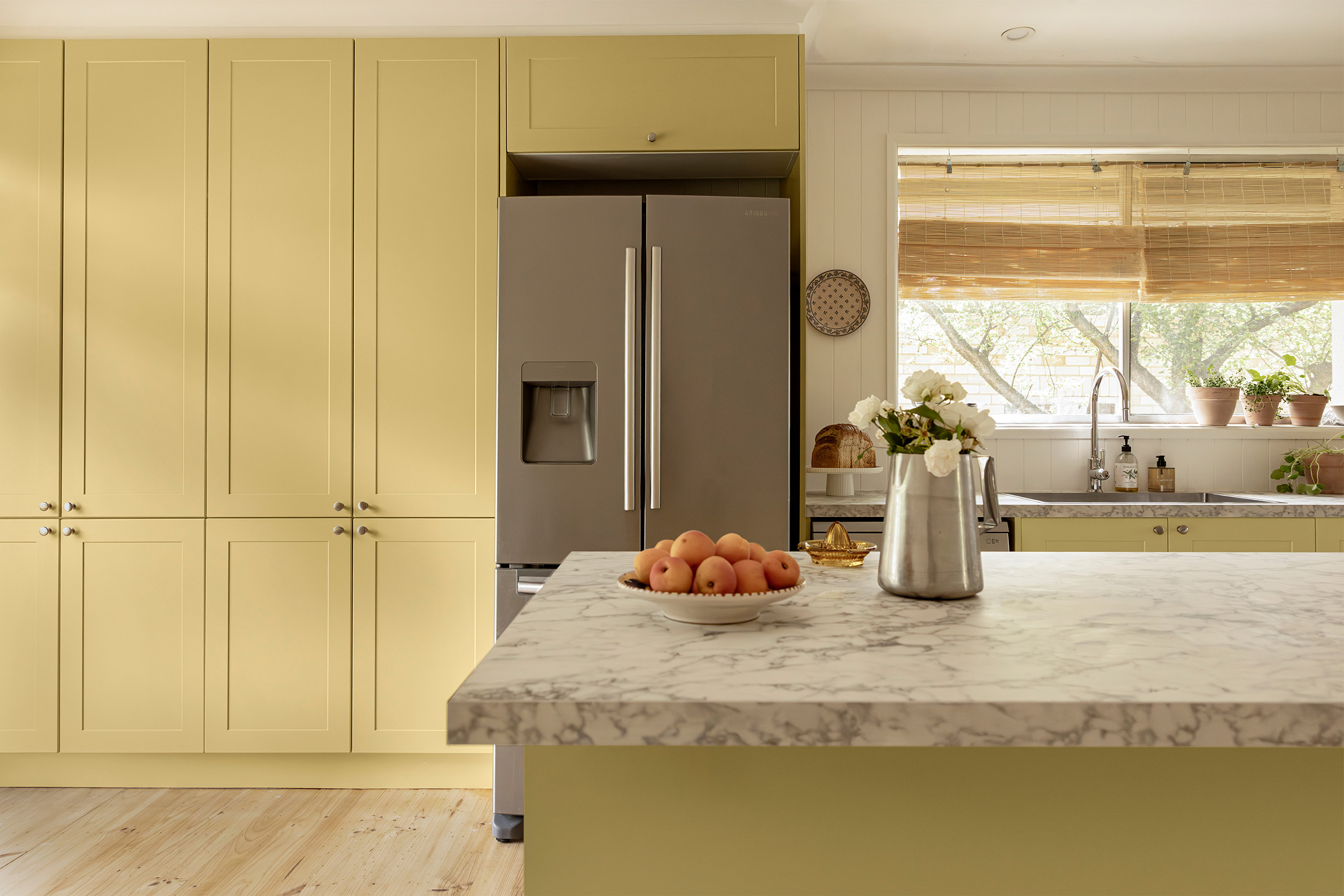
The most important kitchen design do's are to measure carefully, plan your layout, include enough storage, factor in any new or existing appliances and consider future proofing your design as your needs evolve. The biggest don'ts include guessing measurements, attempting to undertake plumbing or electrical work yourself, forgetting your end or filler panels and under-planning storage.
With a kaboodle kitchen, you can design a space that works for your lifestyle while bringing your own style and personality to the heart of your home.
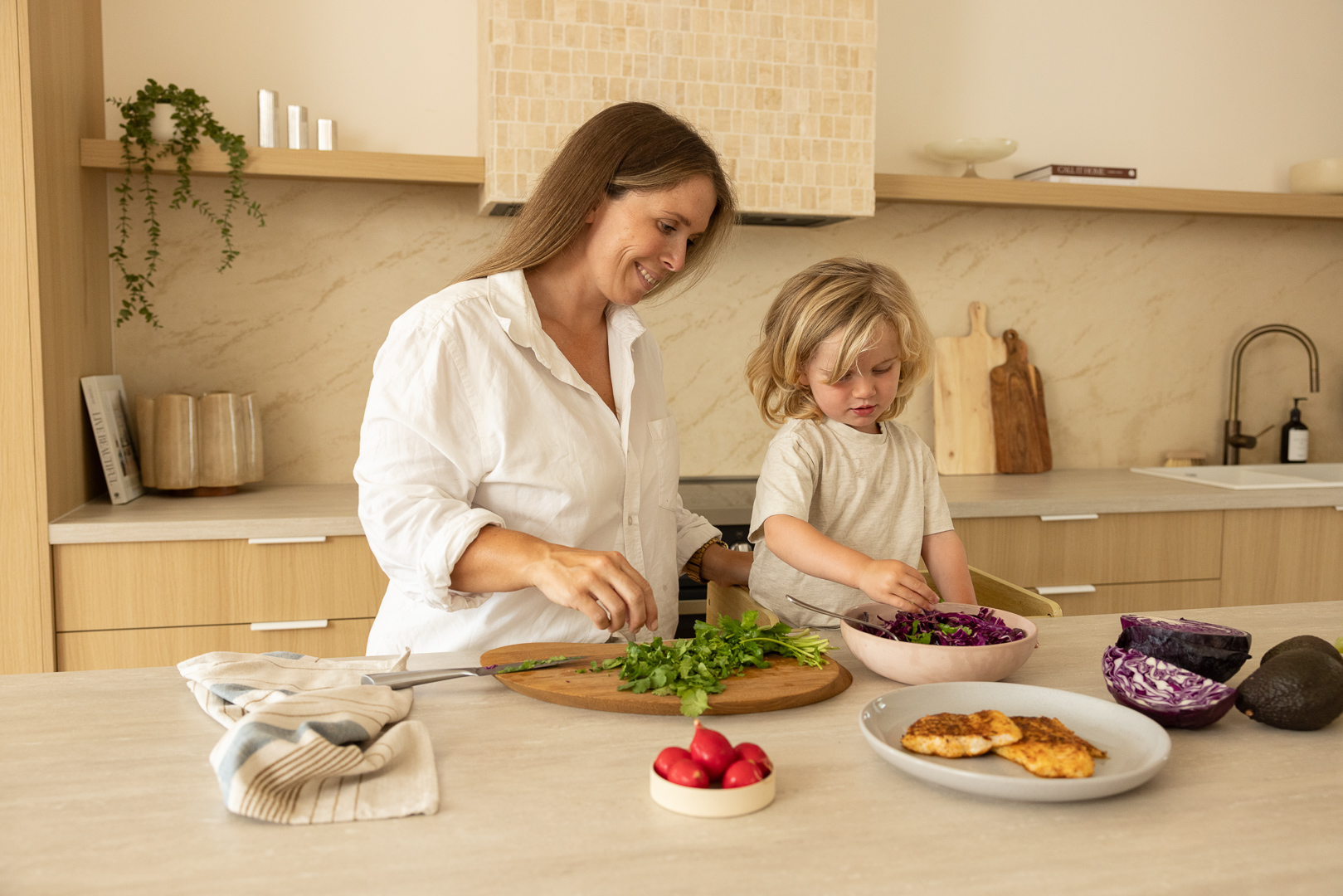
do: start with how you use your kitchen
Every great kitchen design begins with understanding how the space will be used.
Before choosing colours, kitchen cabinets or benchtops, think about:
How often you cook
Whether you entertain regularly
The size of your household
Your storage requirements
How much bench space you need
A family kitchen may require more storage and larger preparation areas, while a compact apartment kitchen may prioritise clever organisation and space-saving solutions.
When planning a kaboodle kitchen, start with your daily habits. Designing around real-life needs creates a kitchen that feels natural and functional from day one.
don't: forget the kitchen workflow
One of the most common kitchen design mistakes is ignoring workflow. Kitchen workflow refers to how easily you move between the key zones of your kitchen:
Food storage (fridge and pantry)
Preparation area
Cooking zone
A practical kitchen layout keeps these areas connected while allowing enough room for movement.
When planning your layout:
Position the sink, cooktop and fridge within easy reach
Leave sufficient bench space beside appliances
Avoid traffic bottlenecks
Create clear pathways around islands
A well-planned workflow makes cooking, cleaning and entertaining easier every day.
do: measure your space carefully
Accurate measurements are the foundation of successful kitchen design.
Before finalising your layout, measure:
Wall lengths
Ceiling heights
Window locations
Door openings
Plumbing positions
Power points
Appliance dimensions
Even small measurement errors can create significant challenges during installation.
Measure twice before using the kaboodle 3D planner. The more accurate your measurements, the easier it will be to visualise your completed kitchen and avoid unexpected surprises.
don't: under-plan your storage
Kitchen storage mistakes can quickly lead to cluttered benchtops and frustration.
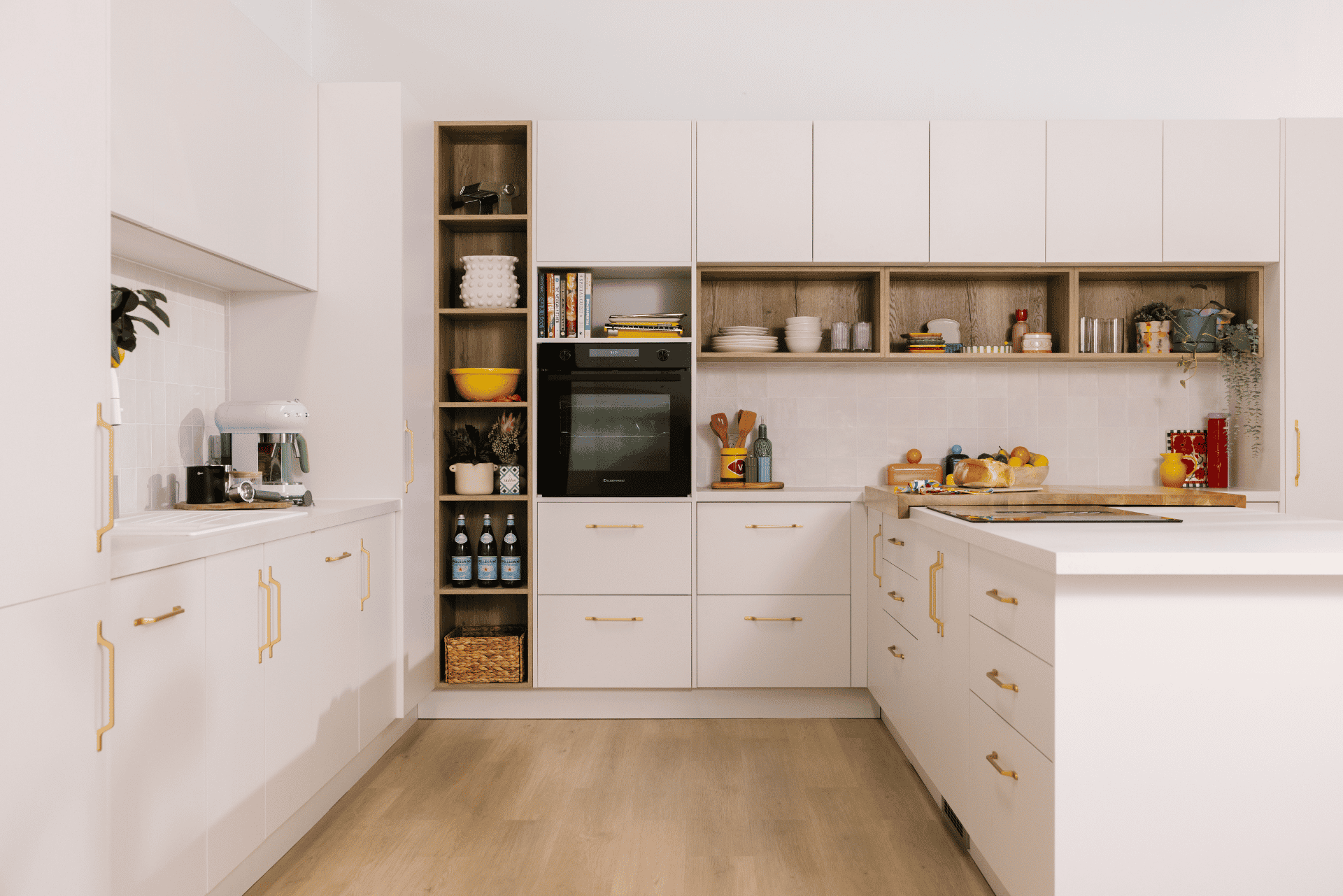
Effective kitchen storage planning should consider everything you need to store, including cookware, pantry items, cleaning products, appliances and crockery.
Consider incorporating:
Deep drawer cabinets for pots and pans
Pantry cabinets for food storage
Wall cabinets to maximise vertical space
The right storage solutions help keep your kitchen organised and make everyday tasks easier.
Browse kitchen cabinets, pantry cabinets, wall cabinets and storage accessories to create a storage plan that works for your lifestyle.
do: choose cabinets and finishes together
A cohesive kitchen design is created when every element works together.
Rather than selecting products individually, consider your:
Sink
Tapware
Choosing these elements as part of a complete design system creates a balanced and professional look.
Whether your style is modern, coastal, scandi or farmhouse, coordinating finishes early helps avoid costly changes later in the project.
don't: choose style over function
While visual appeal matters, functionality should always come first.
Some common kitchen renovation mistakes include:
Insufficient bench space
Difficult-to-reach storage
Overcrowded layouts
The best kitchens combine beautiful design with practical features that support everyday living.
When evaluating design ideas, ask yourself whether the feature will improve how you use your kitchen every day.
do: plan lighting early
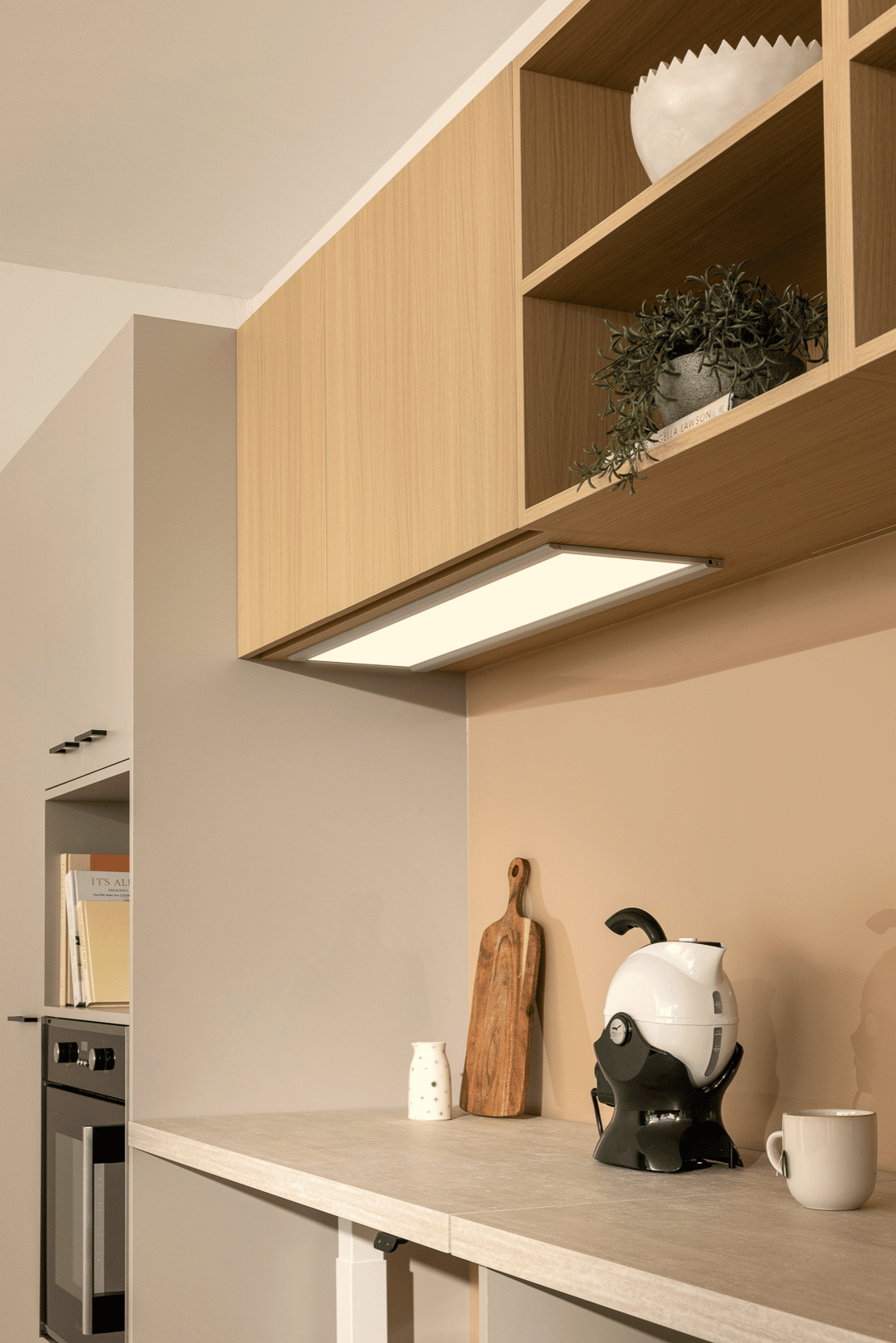
Lighting plays a critical role in both function and atmosphere. A successful kitchen lighting plan includes several layers:
task lighting
Provides focused illumination for food preparation and cooking.
general lighting
Creates overall brightness throughout the room.
under-cabinet lighting
Reduces shadows and improves visibility on benchtops.
natural light
Maximise windows and reflective surfaces where possible.
Planning lighting early allows electrical requirements to be incorporated into the design before installation begins.
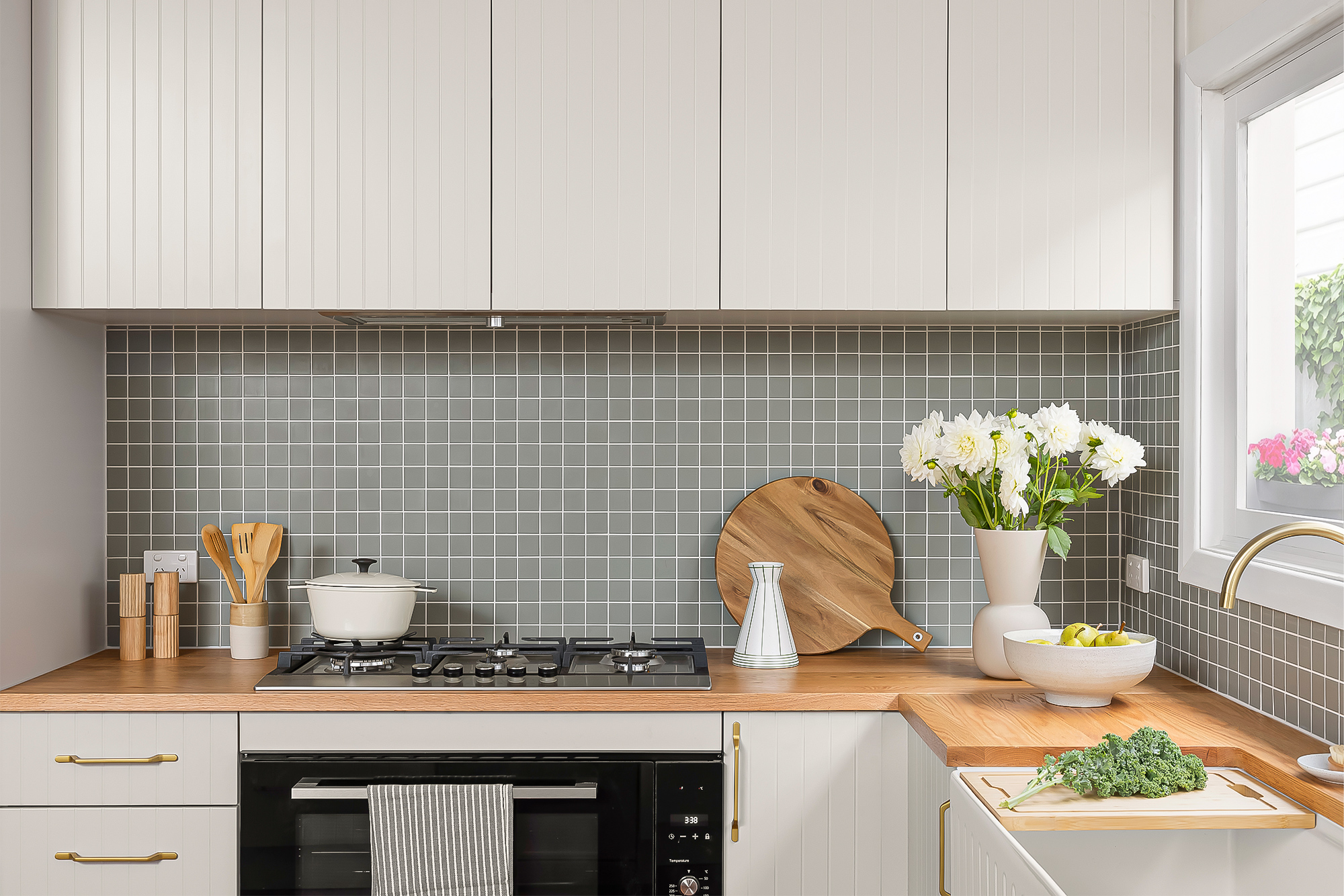
don't: ignore small kitchen opportunities
Small kitchens can be highly functional when designed thoughtfully. To maximise a compact kitchen:
Choose lighter colours
Use vertical storage
Install wall cabinets
Prioritise drawer storage
Reduce visual clutter
Smart planning often allows small kitchens to feel larger, brighter and more organised. For more inspiration, explore small kitchen design ideas and compact layout solutions.
do: use the kaboodle design tools before you buy
One of the best ways to avoid kitchen design mistakes is to test your ideas before making purchasing decisions. Our range of design tools allows you to:
Get a rough estimate of how much your kitchen could cost based on layout and finishes with the price estimator
Quickly visualise and compare cabinets and benchtop combinations with the style selector
Refine your design and experiment with different layouts using your exact room measurements in the 3D planner
By seeing your kitchen before you buy, you can make confident decisions and ensure every element works together.
For more ideas and information, visit our design blog and image gallery, or follow us on Instagram, TikTok, Facebook and Pinterest.