how to choose the right woodgrain door and panel for your kitchen style
Discover how to choose the right woodgrain kitchen doors and panels for your style, from Scandi and coastal to modern and farmhouse.
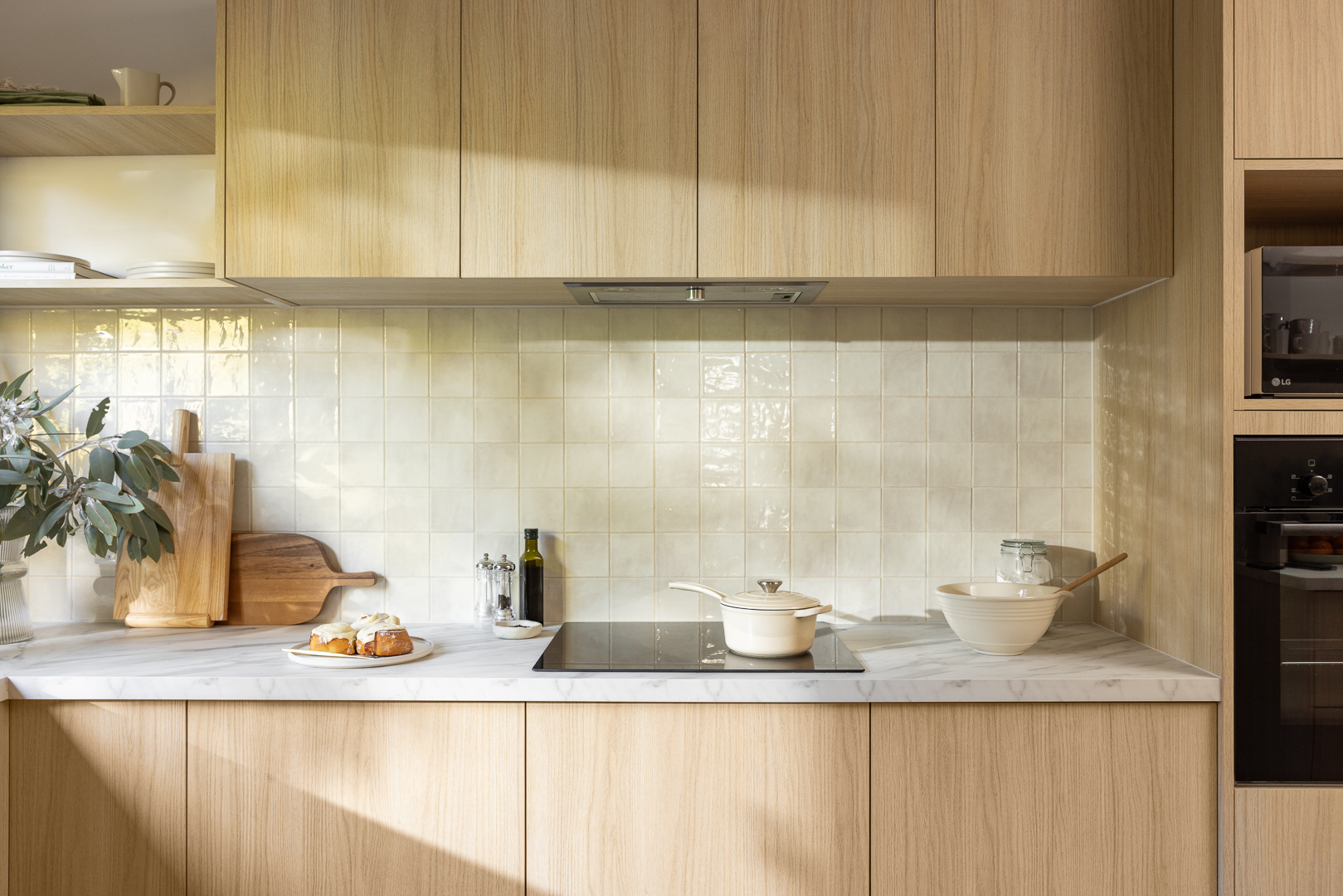
Woodgrain doors and panels are an easy way to bring warmth, texture and personality into your kitchen. But with so many timber-look colours and finishes to choose from, how do you know which one is right for your space?
The good news is there is no one-size-fits-all approach. From light and relaxed scandi kitchens to warm farmhouse spaces and sleek modern designs, woodgrain can work across a wide range of kitchen styles.
The key is choosing a tone that works with the rest of your kitchen.
Kaboodle’s woodgrain range includes a selection of colours designed to add texture and warmth to your space. Options include walnut, oak latte, almond oak, cajun oak, honey oak, silver ash, hazelnut v, truffle oak and more.
Here’s how to find the right woodgrain kitchen doors for your style.
start with the overall feeling you want
Before choosing a colour, think about how you want your kitchen to feel.
Do you want it to feel light and calm? Warm and welcoming? Modern and refined? Rustic and full of character?
Woodgrain has a naturally tactile look, which can add warmth and personality to a kitchen. Timber tones can also help create a stronger connection to natural materials and bring a grounded feel to the space.
Once you know the feeling you want, choosing a woodgrain becomes much easier.
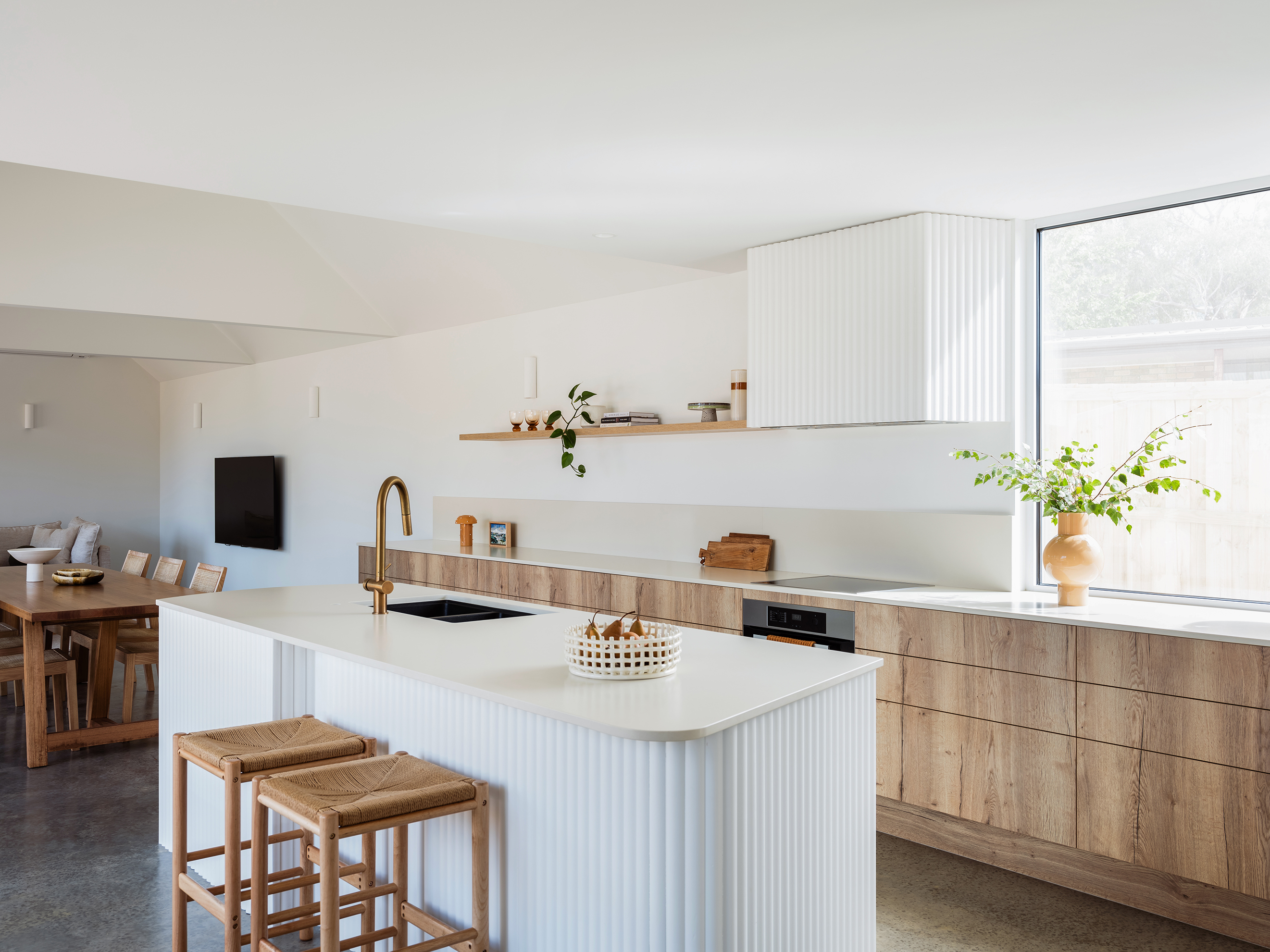
for a scandi kitchen: keep it light and warm
Scandi-inspired kitchens are known for their simple, uncluttered look, soft colours and natural materials.
A lighter woodgrain can be a great choice if you want to create this relaxed aesthetic. Hazelnut v timber-look doors and panels to bring warmth into a scandi-style kitchen, helping soften the cooler tones often associated with the look.
Pair a lighter woodgrain with:
Soft white or neutral cabinetry
Simple handles
Clean-lined furniture
Light benchtops
Natural textures such as timber and woven accessories
The result is a kitchen that feels warm without looking overly busy.
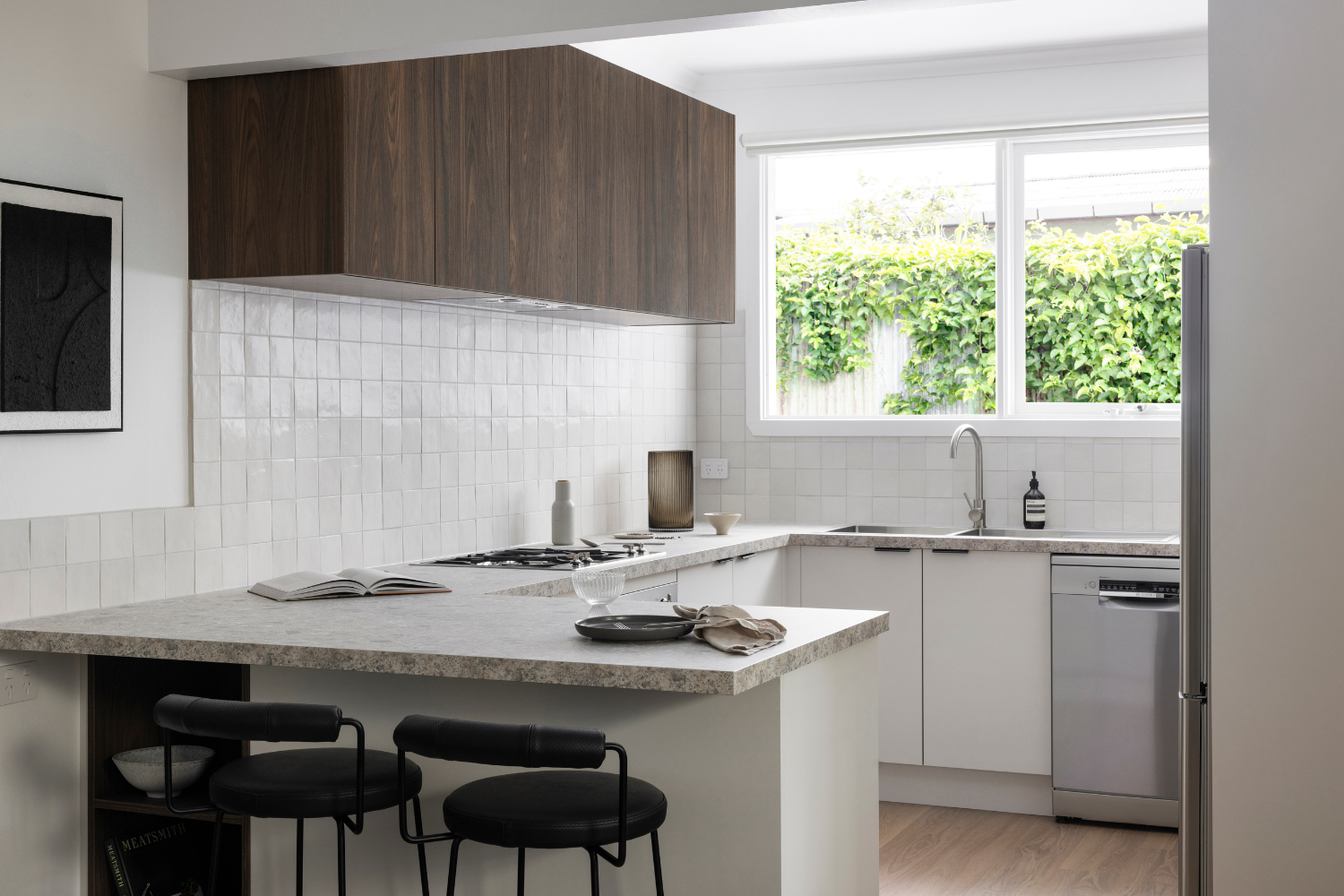
for a modern kitchen: let the woodgrain be the feature
Woodgrain might not be the first thing you think of when you picture a modern kitchen. But used thoughtfully, it can stop a streamlined space from feeling too cold.
Modern kitchens often work well with clean lines, neutral colours and simple profiles. Adding timber or woodgrain accents can bring warmth while keeping the overall design sleek.
Try using a deeper woodgrain on an island or a section of cabinetry, then balance it with a neutral colour elsewhere.
For example, walnut is a warm, textural woodgrain that pairs well with whites, greens, blacks and subtle stone-look or solid-colour benchtops.
For a modern finish, pair your woodgrain doors with simple handles or consider a streamlined, handleless look.
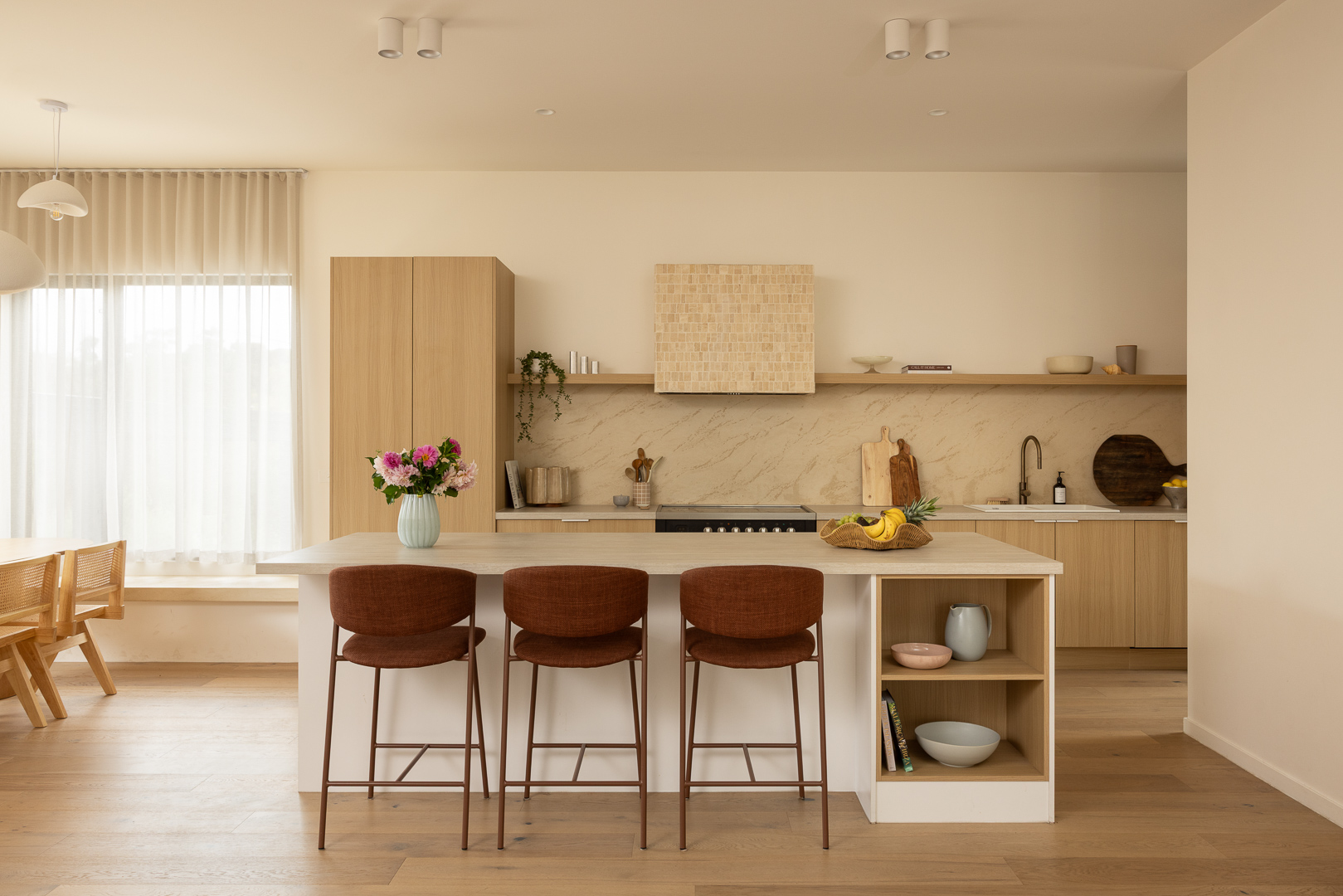
for a coastal kitchen: choose lighter timber tones
Coastal kitchens are all about creating a relaxed, light and welcoming atmosphere. When selecting a woodgrain kitchen door for a coastal space, look towards lighter timber tones. These can add warmth while keeping the overall palette feeling fresh and casual.
We recommend muted neutrals, light greys and whites for coastal kitchens, alongside natural materials and lighter timber tones.
To complete the look, combine your woodgrain doors with:
Soft white cabinetry
Light benchtops
Natural timber accents
Woven or textured accessories
Simple, classic handles
for a farmhouse kitchen: embrace warmth and character
If you love a kitchen that feels lived-in, welcoming and full of character, woodgrain is a natural fit. A farmhouse style works well with colours inspired by nature, timber accents and practical materials.
A warmer or darker woodgrain can be particularly effective when used as a feature. Truffle oak, for example, is a deep, warm woodgrain designed to bring natural texture and grounded character to a kitchen. It can be used across cabinetry, open shelving or as a feature.
don't forget your benchtop
Your doors and panels don't work alone. The benchtop is one of the biggest elements to consider when creating a cohesive kitchen.
A light woodgrain can work beautifully with a stone-look or neutral benchtop. A darker woodgrain can create contrast against a lighter surface, or become part of a deeper, moodier palette.
The goal is not to make every element match perfectly. It is to create a combination that feels considered.
see your choices before you commit
Choosing colours from a small sample can be tricky. That's why it helps to see how your doors, panels, benchtop and other finishes work together. Visit your local Bunnings, to see our display kitchens, or use our 3D kitchen planner, letting you visualise your kitchen before purchasing, while our style selector can help you explore different layouts, door profiles, colours and finishes.
ready to find your woodgrain?
From soft and light timber tones to rich, deep woodgrains, there are plenty of ways to bring natural-looking texture into your kitchen.
Start by choosing the feeling you want. Then consider your colour, door, benchtop and handles as a complete look.
For more ideas and information, visit our design blog and image gallery, or follow us on Instagram, TikTok, Facebook and Pinterest.